Concrete vs Asphalt Driveway: Which Is Better for Your Home? (2026 Guide)
When homeowners compare driveway materials, the decision often comes down to two popular options: concrete and asphalt. Both can create a functional driveway, but they perform very differently in terms of cost, lifespan, maintenance, appearance, and long-term value.
The right choice depends on your budget, climate, property style, and how long you want the driveway to last. This guide breaks down concrete vs asphalt driveways in a practical way so you can decide which option makes the most sense for your home.
Concrete vs Asphalt Driveway: Quick Comparison
Here is a simple side-by-side look at the biggest differences.
| Factor | Concrete Driveway | Asphalt Driveway |
|---|---|---|
| Typical lifespan | 25 to 40+ years | 15 to 25 years |
| Appearance | Clean, bright, customizable | Dark, smooth, basic |
| Maintenance | Lower maintenance | More frequent sealing |
| Upfront cost | Higher | Lower |
| Long-term value | Strong | Moderate |
| Heat performance | Stays cooler | Absorbs more heat |
| Design options | Broom, stamped, colored, decorative | Limited |
| Best for | Long-term durability and curb appeal | Lower upfront budget |
Asphalt can be a practical choice for homeowners who want a lower initial cost. Concrete is often the better choice for homeowners who want longer lifespan, cleaner appearance, and more design flexibility.
Upfront Cost: Asphalt Usually Costs Less at First
Asphalt is usually less expensive to install upfront. This is one reason homeowners consider it, especially for long driveways or tighter budgets.
Concrete usually costs more at installation because of material, labor, forming, finishing, and curing requirements. However, the higher initial cost often comes with a longer service life and fewer routine maintenance demands.
A typical cost comparison looks like this:
| Driveway Material | Average Cost Range |
|---|---|
| Asphalt driveway | $5 to $10 per sq. ft. |
| Standard concrete driveway | $9 to $15 per sq. ft. |
| Decorative or stamped concrete | $14 to $22+ per sq. ft. |
These numbers can vary based on driveway size, site prep, thickness, reinforcement, drainage needs, and local labor rates. Homeowners comparing options often review Concrete Driveway Cost Brighton to understand how concrete pricing compares to other driveway materials.
Lifespan: Concrete Usually Lasts Longer
Concrete driveways generally last longer than asphalt driveways when installed correctly.
A properly installed concrete driveway can last 25 to 40 years or more with basic care. Asphalt driveways usually last around 15 to 25 years, depending on maintenance, weather exposure, and traffic.
Concrete has a longer lifespan because it is more rigid and resistant to surface deformation. Asphalt is flexible, which can be helpful in some conditions, but it is also more vulnerable to softening, rutting, and wear over time.
For homeowners planning to stay in their home long term, concrete often provides stronger value over the life of the driveway.
Maintenance: Asphalt Needs More Frequent Attention
Both materials require maintenance, but asphalt usually needs more frequent care.
Concrete Driveway Maintenance
Concrete maintenance usually includes:
- Occasional cleaning
- Crack monitoring
- Sealing every few years if needed
- Avoiding harsh winter chemicals
Standard broom-finish concrete is relatively low maintenance. Decorative concrete may need resealing more often to protect color and surface detail.
Asphalt Driveway Maintenance
Asphalt maintenance typically includes:
- Sealcoating every 2 to 4 years
- Crack filling
- Patching damaged areas
- Repairing ruts or soft spots
If asphalt is not sealed regularly, it can dry out, fade, crack, and break down faster.
Concrete usually wins for homeowners who want less frequent maintenance over time.
Appearance and Curb Appeal
Appearance is one of the clearest differences between concrete and asphalt.
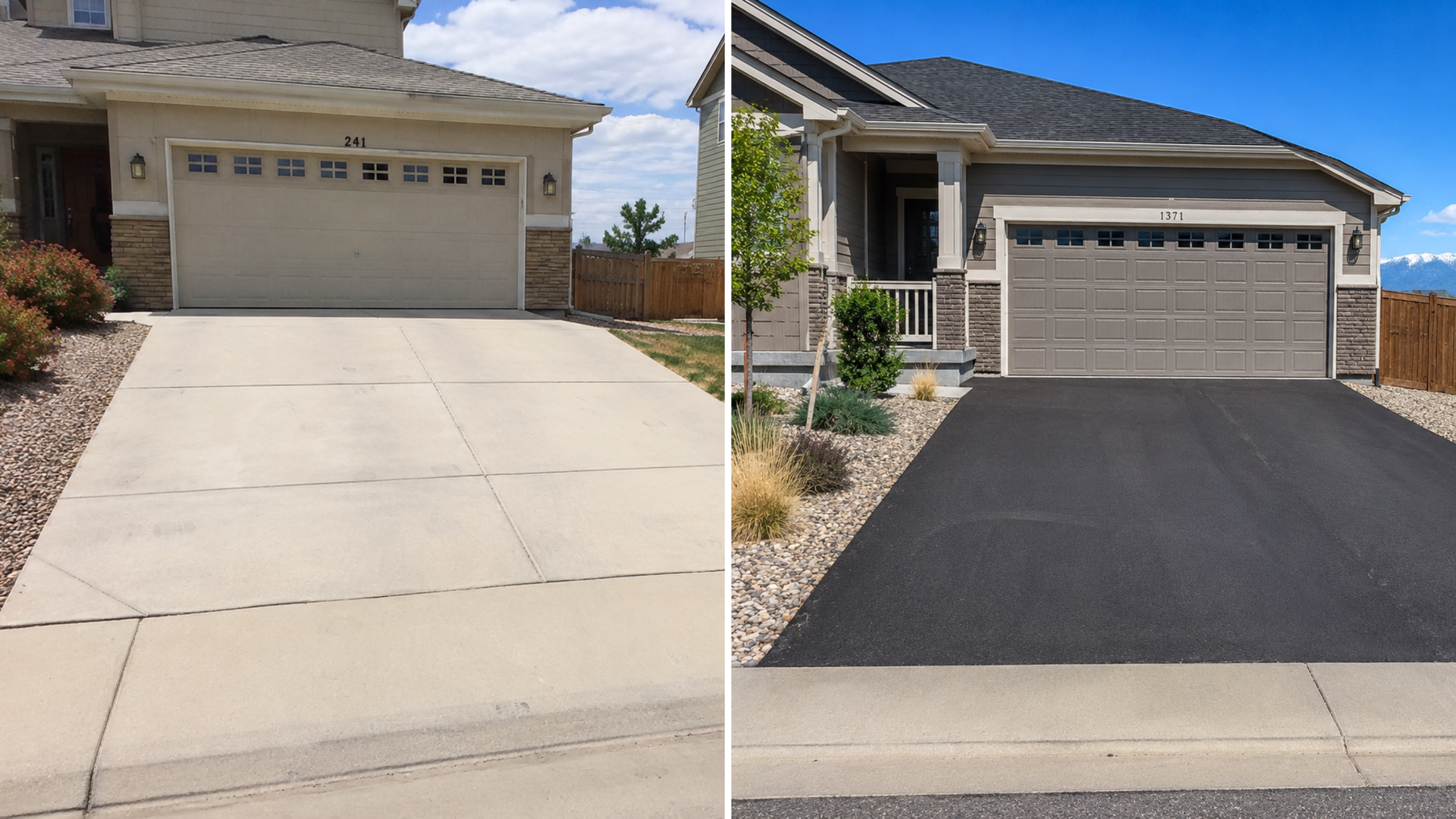
Asphalt has a dark, smooth look. It can look clean when new, but the design options are limited. Over time, asphalt often fades from deep black to gray.
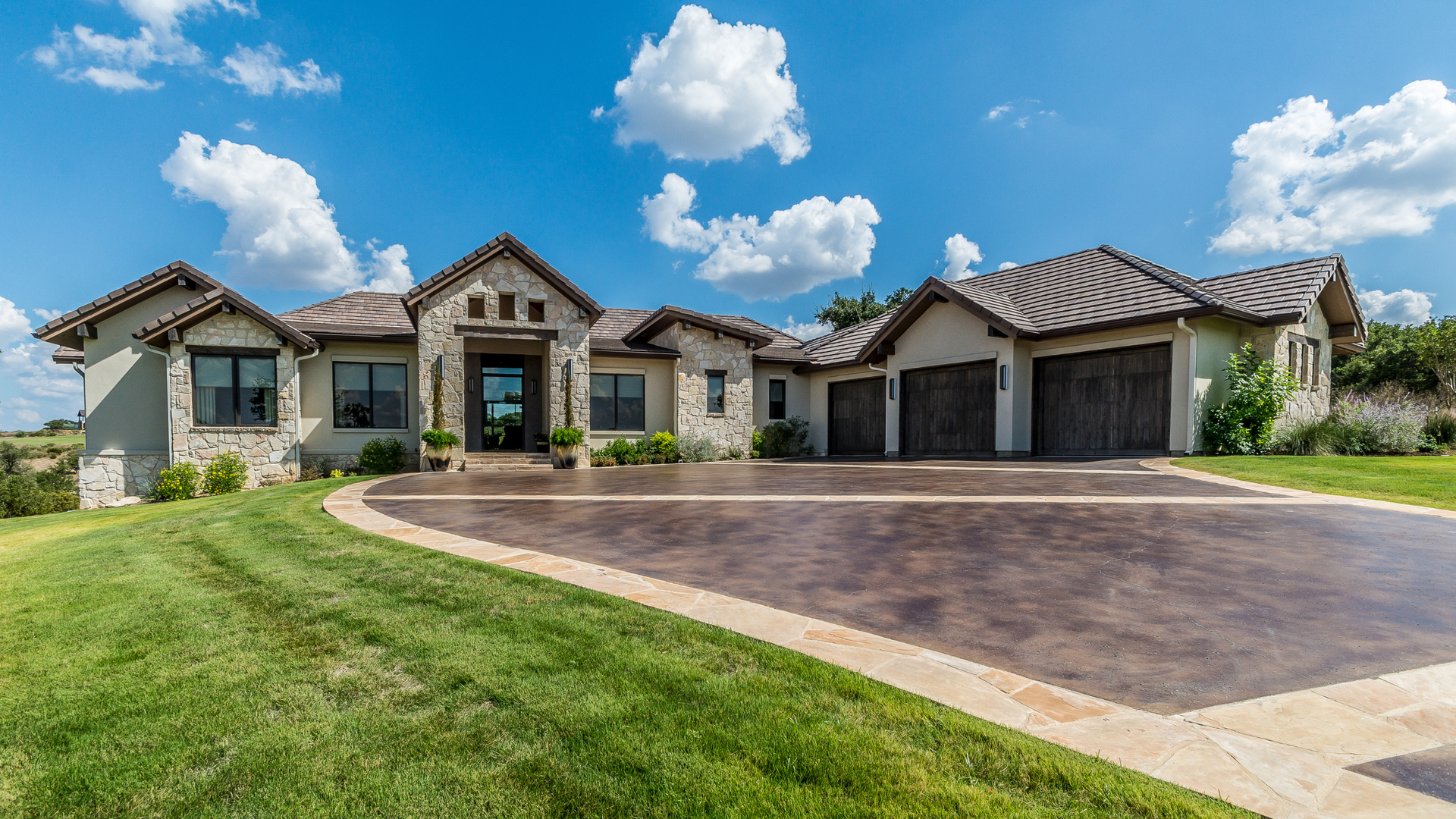
Concrete offers more visual flexibility. Homeowners can choose:
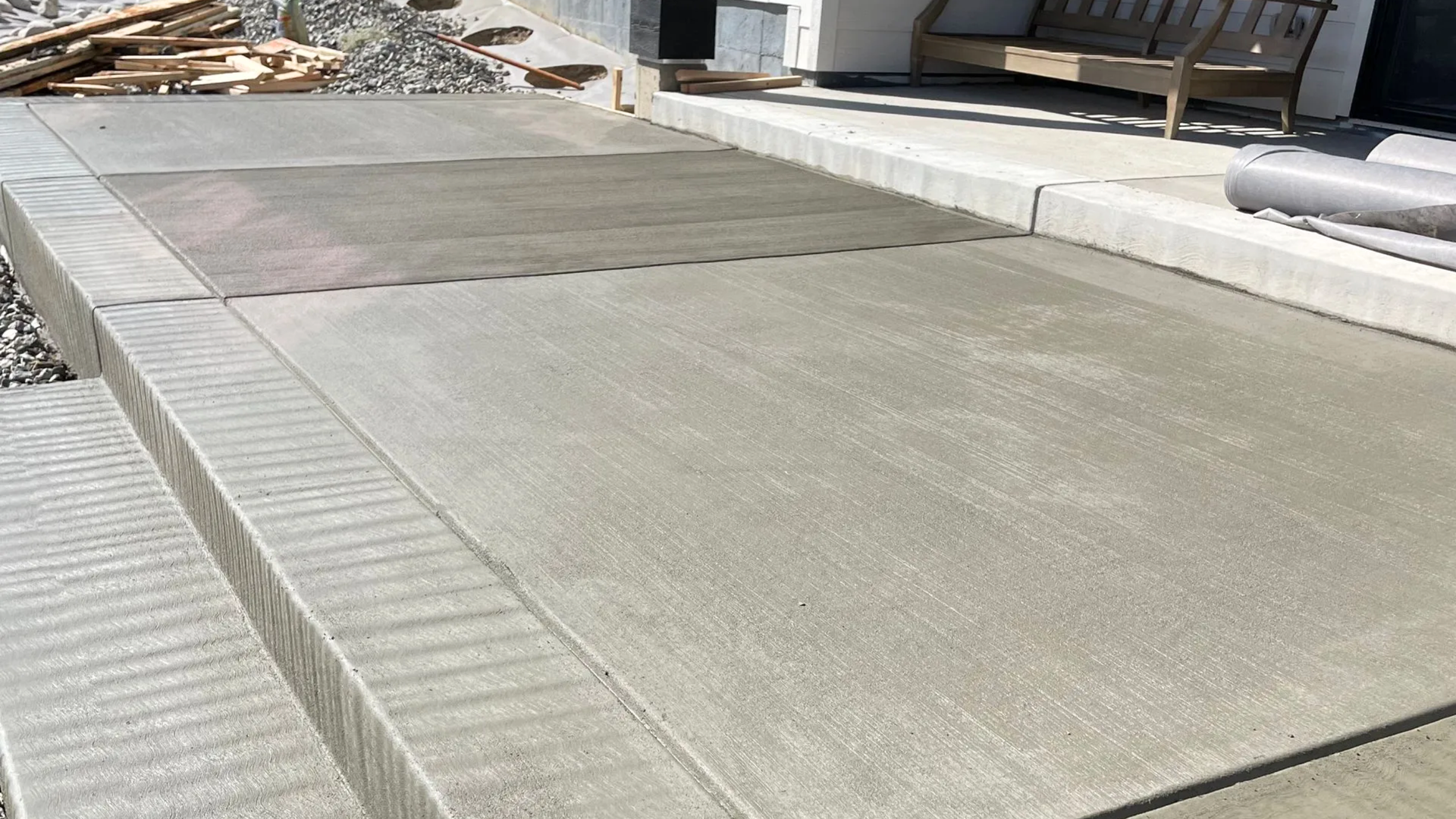
- Standard broom finish
- Smooth finish
- Exposed aggregate
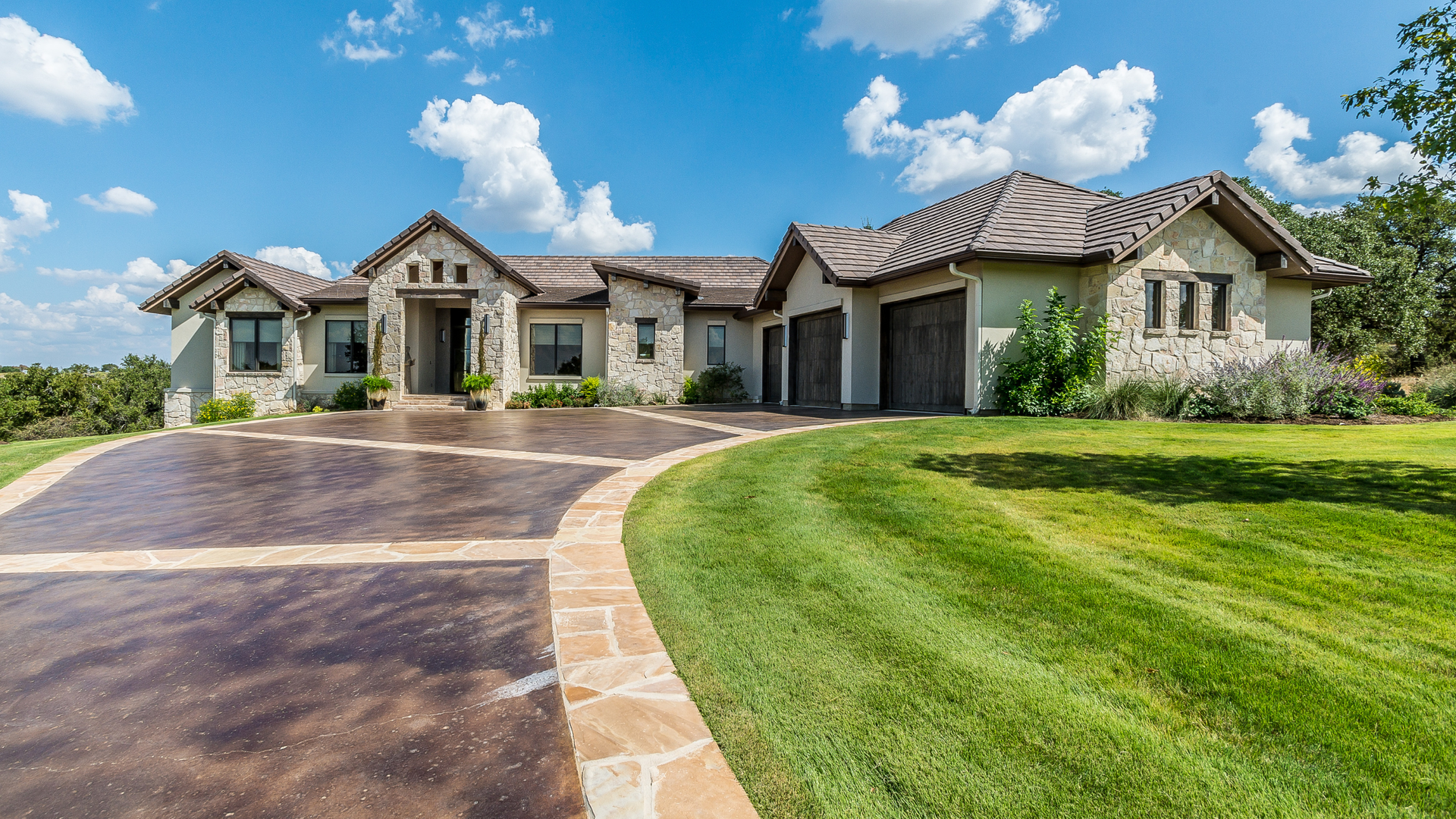
- Colored concrete
- Decorative borders
- Stamped patterns
For homes where curb appeal matters, concrete often creates a cleaner and more finished appearance. Homeowners who want a more custom look may also consider
Stamped Concrete Driveways
as an upgraded design option.
Performance in Colorado Weather
In areas with freeze-thaw cycles, driveway installation quality matters as much as the material itself.
Both concrete and asphalt can be affected by:
- Moisture intrusion
- Freezing and thawing
- Snow removal
- De-icing products
- Poor drainage
Concrete performs well when it is installed with proper thickness, reinforcement, base preparation, and curing. Asphalt handles slight movement better because it is more flexible, but it can soften in heat and deteriorate faster without maintenance.
For Brighton homeowners, the key is not just choosing concrete or asphalt. It is making sure the driveway is installed correctly for local soil and weather conditions. This is why many homeowners planning Concrete Driveways in Brighton CO prioritize base preparation, drainage, and finish quality from the beginning.
Durability Under Daily Use
Driveways take daily abuse from vehicle weight, turning tires, snow removal, and weather exposure.
Concrete performs well under standard residential vehicle traffic when poured at the correct thickness. Most residential concrete driveways are around 4 inches thick, with thicker slabs recommended for heavier vehicles.
Asphalt can handle regular vehicles too, but it is more prone to surface impressions, rutting, and softening, especially during hot weather or under heavy loads.
If you regularly park:
- Large pickup trucks
- RVs
- Trailers
- Work vehicles
Concrete may offer better long-term stability when designed properly.
Installation Process Differences
Concrete and asphalt driveways are installed differently.
Concrete Installation
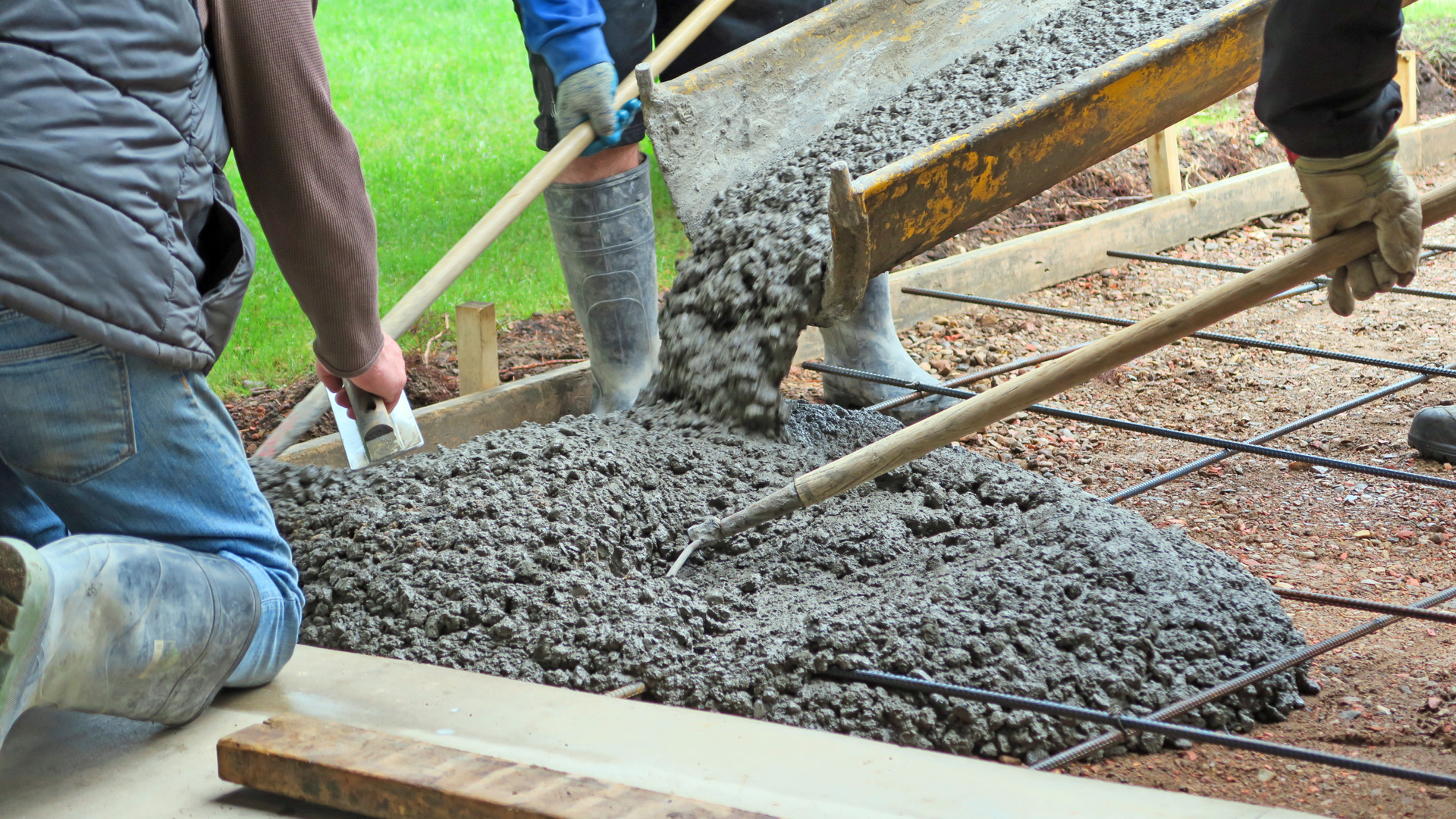
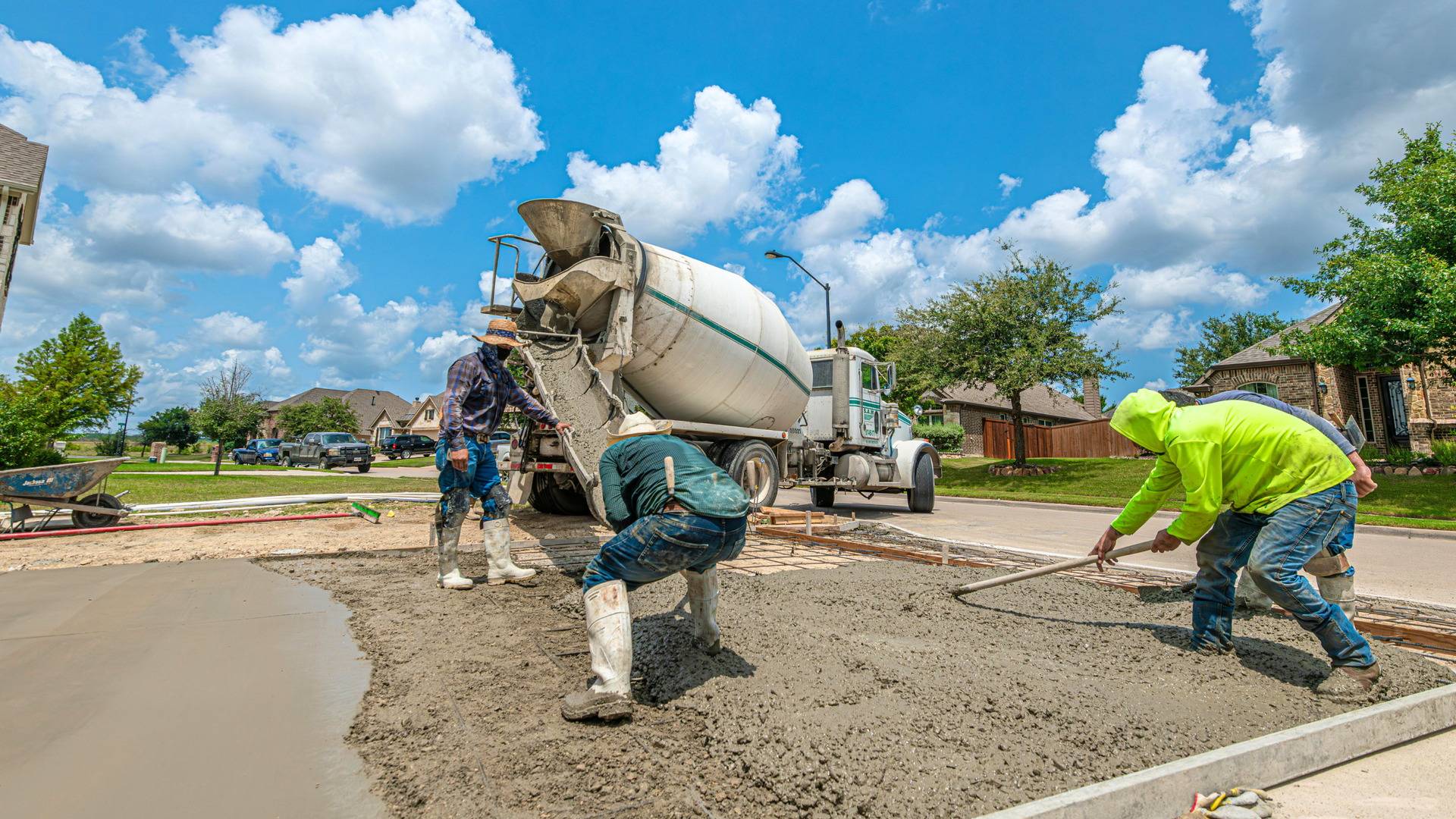
Concrete installation usually includes:
- Excavation
- Base preparation
- Forming
- Reinforcement
- Pouring
- Finishing
- Curing
Concrete requires more curing time before regular vehicle use. This slower process helps the slab develop strength and long-term durability.
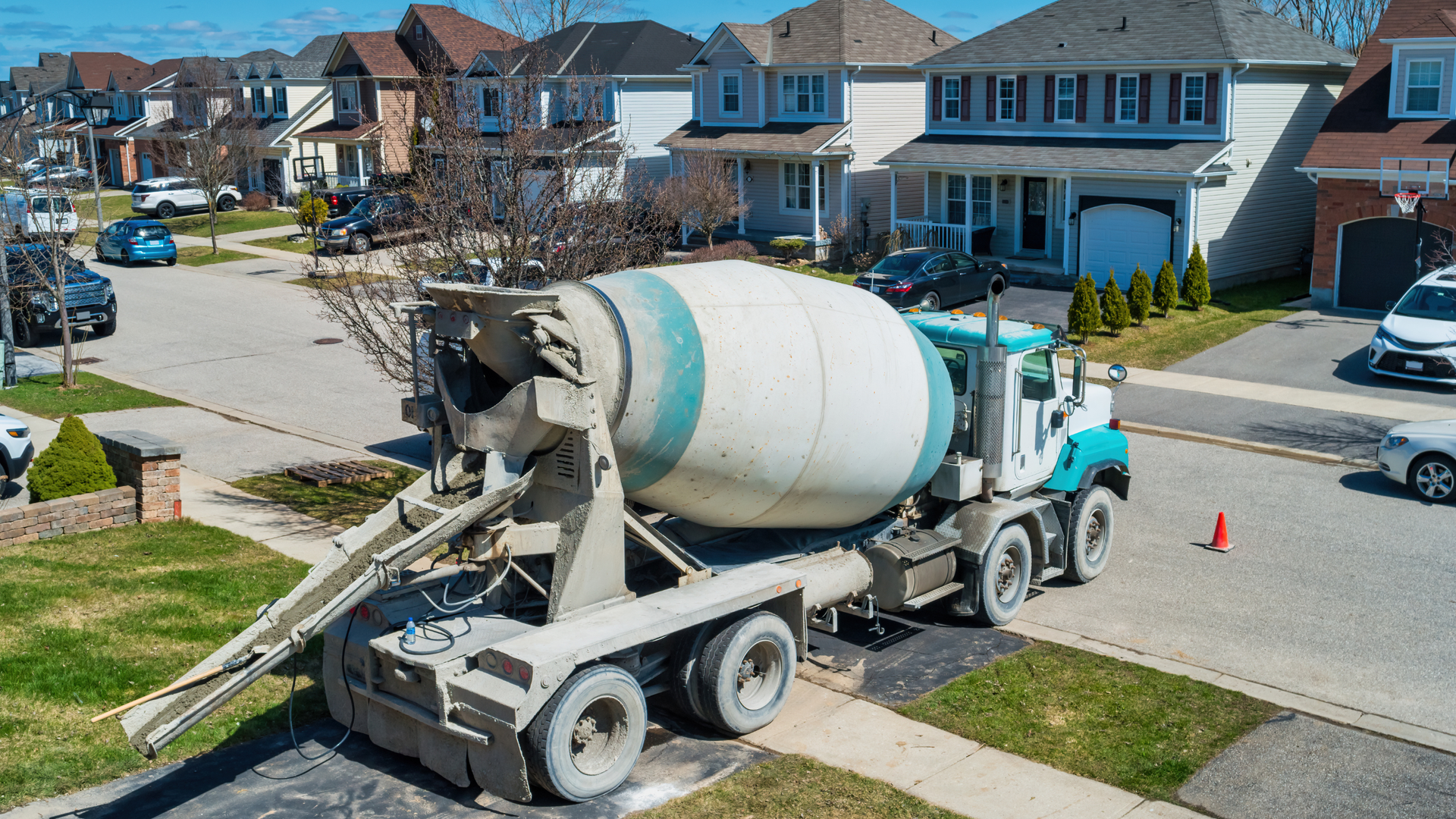
A proper Concrete Driveway Installation Process in Brighton, CO includes careful site prep, grading, reinforcement, and curing so the driveway performs well over time.
Asphalt Installation
Asphalt installation is typically faster. Once the base is prepared, hot asphalt is laid, compacted, and allowed to cool. Homeowners can often use the driveway sooner than concrete.
The faster installation can be convenient, but asphalt still depends heavily on a stable base and proper compaction.
Repair Differences
Both materials can crack or develop surface issues, but repairs look different.
Concrete Repairs
Concrete repairs may include crack sealing, patching, resurfacing, or slab replacement. Repairs can be more visible, especially if the driveway has aged or has a decorative finish.
Asphalt Repairs
Asphalt repairs are usually easier to blend because of the dark surface. Patches may still be visible, but they often blend better than concrete patches.
Asphalt is usually easier to repair cosmetically. Concrete usually offers better long-term durability when the original installation is done well.
Heat and Surface Temperature
Asphalt absorbs more heat because of its dark color. During summer, asphalt surfaces can become very hot.
Concrete is lighter in color and reflects more sunlight. This helps it stay cooler underfoot and can make the driveway feel more comfortable around the home.
For families with kids, pets, or frequent outdoor activity near the driveway, surface temperature may be worth considering.
Drainage and Slope Considerations
Drainage is important for both concrete and asphalt driveways. Water should move away from the home and off the driveway surface.
Poor drainage can lead to:
- Cracking
- Ice buildup
- Erosion near edges
- Surface deterioration
- Base movement
Concrete driveways require careful grading before the pour because the slab becomes rigid once cured. Asphalt also requires proper slope, but it may be slightly easier to adjust during installation.
No matter which material you choose, drainage should be part of the planning conversation.
Which Driveway Material Is Better for Resale Value?
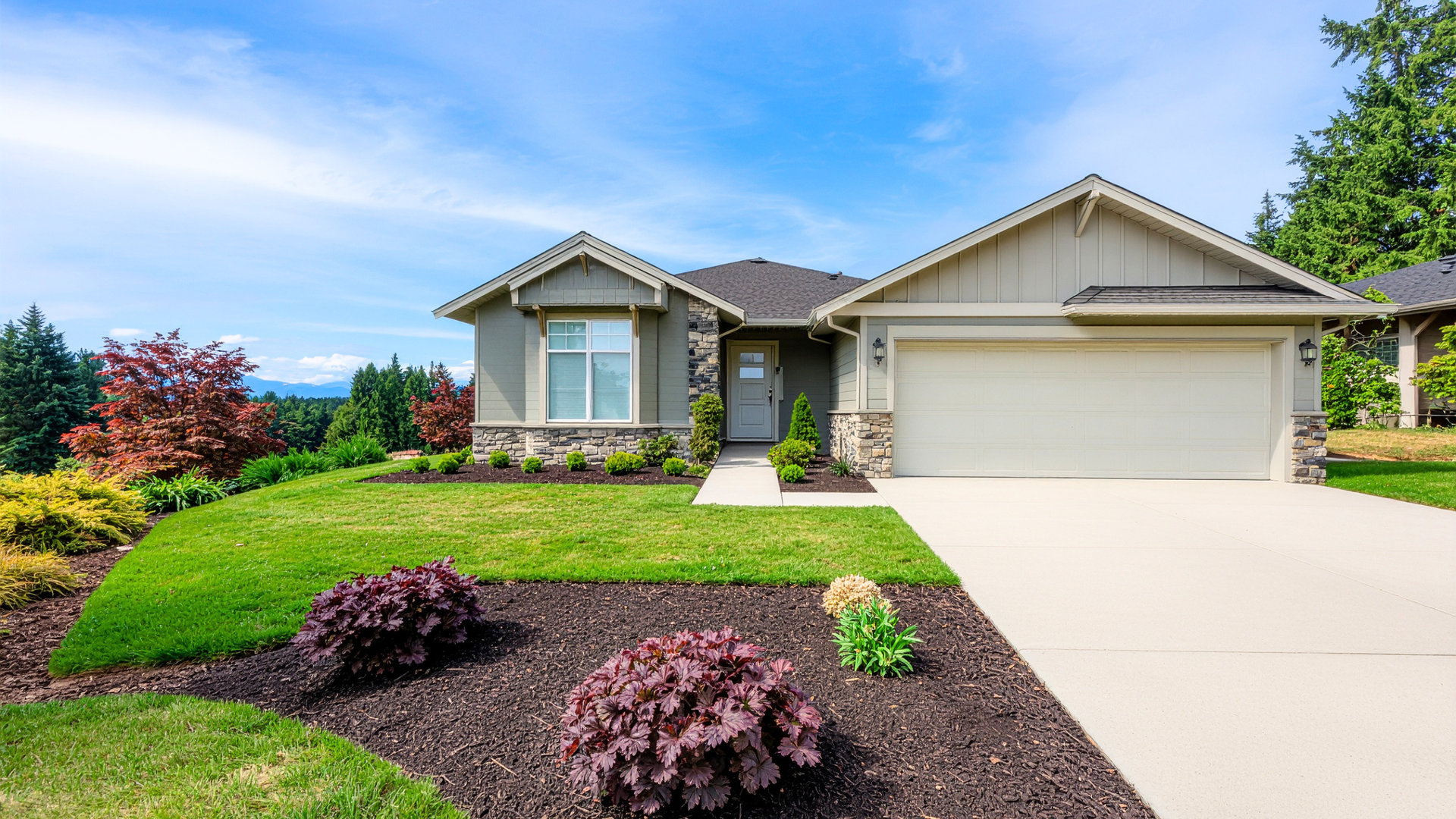
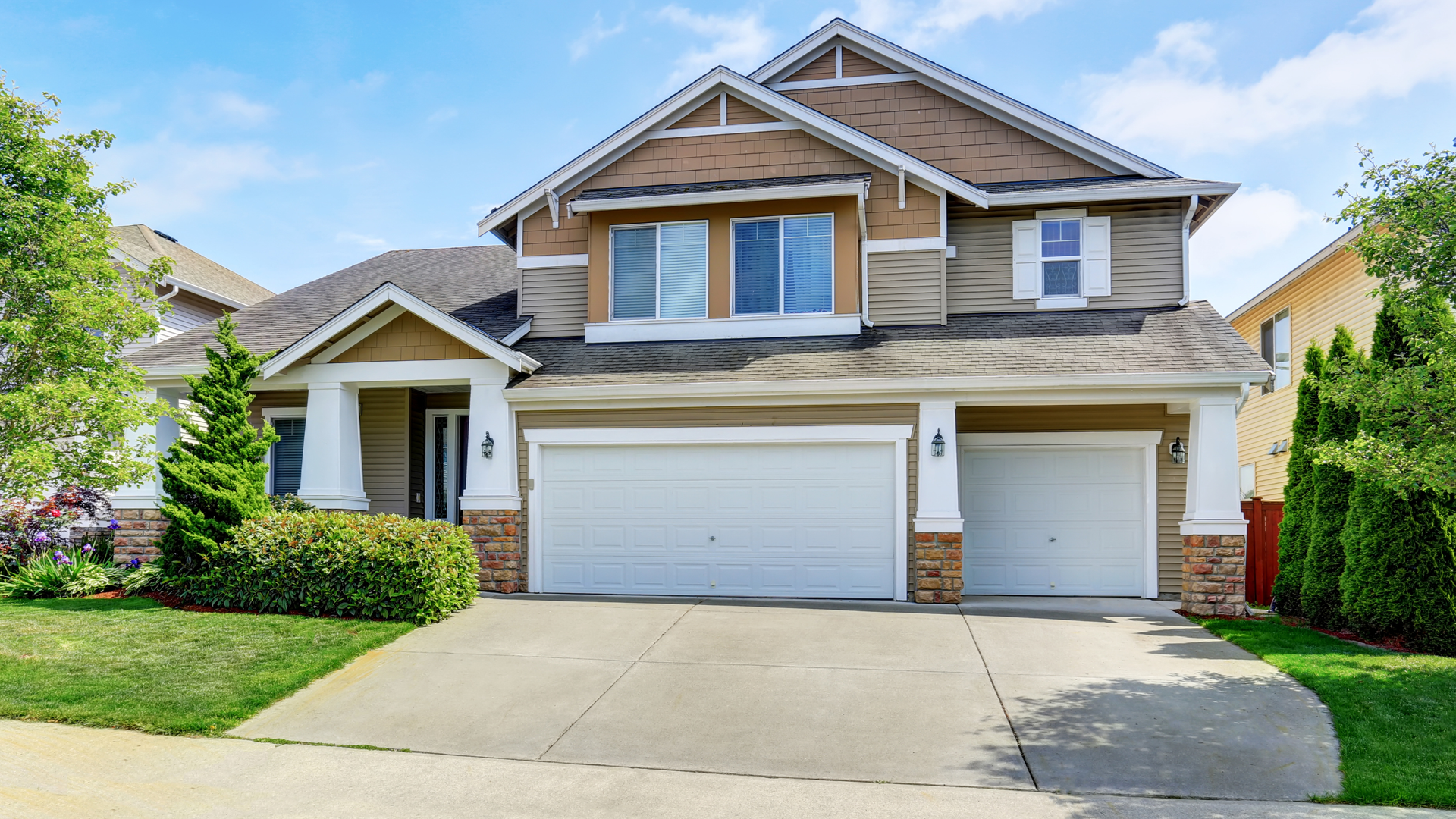
Concrete often has stronger curb appeal and a longer lifespan, which can support resale value. Buyers tend to notice a clean, well-maintained concrete driveway because it makes the exterior feel more finished.
Asphalt can still be acceptable, especially if it is newer and well-maintained. However, an older asphalt driveway with cracks, faded color, and patched areas may raise concerns for buyers.
If you plan to sell in the near future, the condition of the driveway may matter more than the material. A clean asphalt driveway can look better than neglected concrete. But for long-term property value, concrete often has the stronger advantage.
When Asphalt May Be the Better Choice
Asphalt may make sense if:
- You need the lowest upfront cost
- You have a very long driveway
- You are comfortable with regular sealing
- You prefer a dark driveway appearance
- You need faster installation and use
Asphalt can be practical when budget is the main concern.
When Concrete May Be the Better Choice
Concrete may be better if:
- You want a longer-lasting driveway
- You prefer lower routine maintenance
- Curb appeal matters
- You want decorative options
- You plan to stay in the home long term
- You want a clean, bright exterior surface
Concrete is often the stronger choice for homeowners focused on long-term performance and appearance.
Concrete vs Asphalt: Which Costs Less Over Time?
Asphalt usually costs less upfront, but concrete often delivers better long-term value.
Asphalt may require:
- More frequent sealing
- More crack filling
- More patching
- Earlier replacement
Concrete may cost more initially, but the longer lifespan and lower maintenance can make it more cost-effective over decades.
Here is a simplified long-term comparison:
| Factor | Concrete | Asphalt |
|---|---|---|
| Upfront cost | Higher | Lower |
| Maintenance cost | Lower | Higher |
| Replacement frequency | Less frequent | More frequent |
| Long-term value | Stronger | Moderate |
The right choice depends on whether you prioritize short-term savings or long-term performance.
Questions to Ask Before Choosing a Driveway Material
Before deciding between concrete and asphalt, ask:
- How long do I plan to stay in this home?
- How much maintenance am I willing to manage?
- Do I care about curb appeal and design options?
- Will heavy vehicles use the driveway?
- Does my property have drainage issues?
- Is upfront cost or long-term value more important?
These questions help narrow the decision based on how you actually use the property.
Final Thoughts
Concrete and asphalt can both work for residential driveways, but they serve different priorities. Asphalt usually offers a lower upfront cost and faster installation. Concrete usually provides longer lifespan, stronger curb appeal, more design options, and lower maintenance over time.
For homeowners focused on long-term value, concrete is often the better investment. It performs well when installed with proper base preparation, reinforcement, thickness, drainage, and curing.
If you are comparing driveway materials for your home, ANE Concrete can help you understand your options and plan a driveway that fits your property, budget, and long-term goals. Our team installs concrete driveways in Brighton and surrounding areas with careful preparation and clean finishing for dependable performance.