Concrete Driveway Thickness for Brighton CO Homes (2026 Guide)
When planning a new driveway, many homeowners focus on appearance, layout, or total project cost. One of the most important structural decisions, however, is concrete thickness. The thickness of the slab directly affects how well the driveway supports vehicles, resists cracking, and performs over time.
For homeowners in Brighton, thickness is especially important because of climate conditions. Freeze–thaw cycles, shifting soil, and moisture exposure can place additional stress on concrete surfaces. A driveway that is poured too thin may begin to crack or settle much earlier than expected.
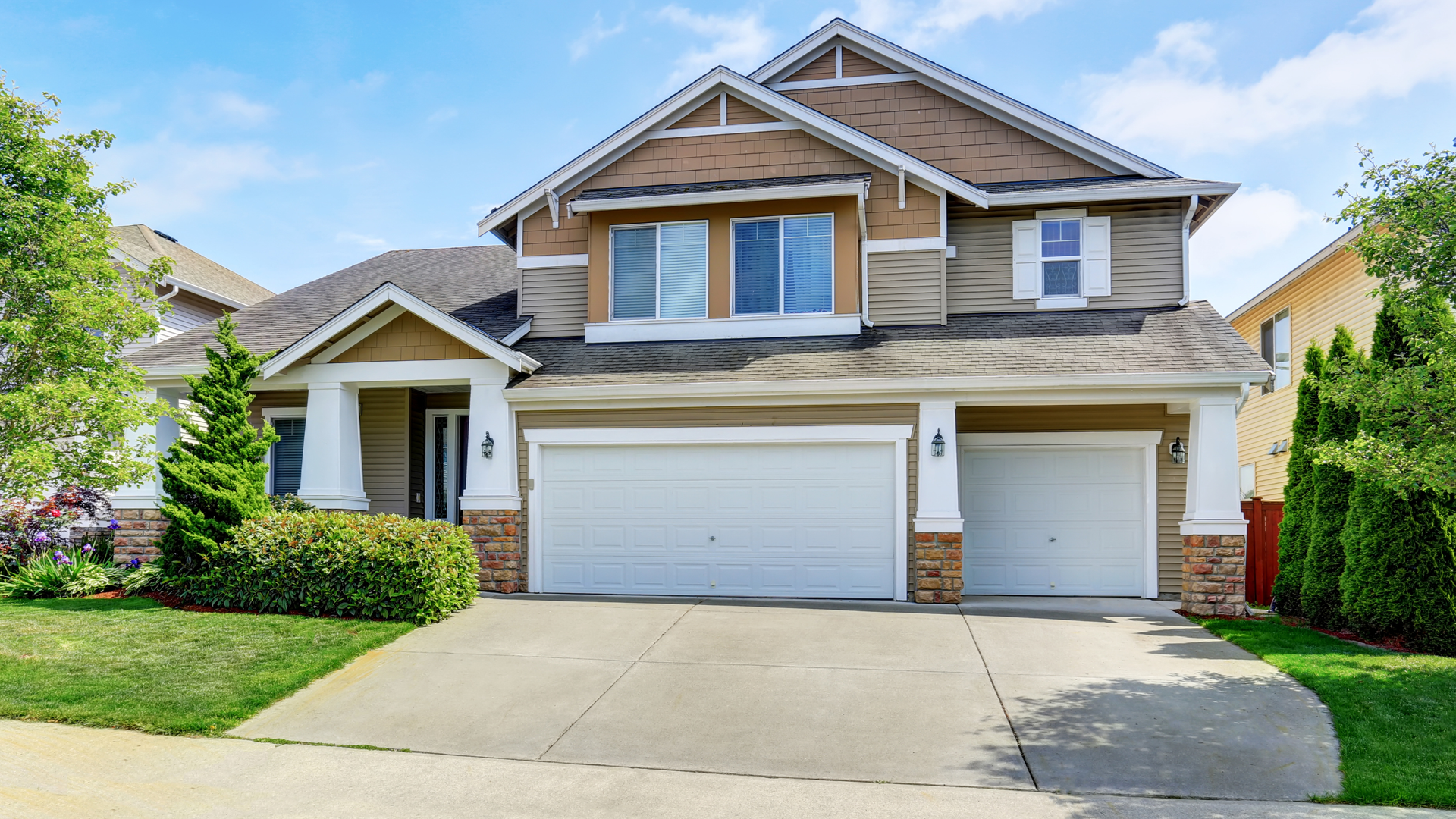
This guide explains recommended driveway thickness for residential properties, how soil conditions and vehicle weight influence installation decisions, and what homeowners should understand before installing Concrete Driveways in Brighton CO.
Standard Concrete Driveway Thickness for Residential Homes
Most residential driveways are designed to support everyday vehicles such as cars, SUVs, and light trucks. Under typical conditions, the standard concrete thickness used for residential driveways is 4 inches.
This thickness works well when the driveway includes proper reinforcement and a stable base underneath the slab.
Below is a general guideline used in residential construction.
| Use Type | Recommended Thickness |
|---|---|
| Passenger vehicles | 4 inches |
| SUVs and light trucks | 4–5 inches |
| RVs or heavier vehicles | 5–6 inches |
A properly installed 4-inch driveway performs well for most homes. However, thicker slabs may be recommended if heavier vehicles regularly use the driveway or if soil conditions require additional structural support.
Vehicle Weight and Traffic Patterns
The type of vehicles using the driveway is one of the primary factors that influence slab thickness.
Passenger vehicles distribute weight evenly and usually do not require thicker concrete. However, heavier vehicles create concentrated pressure on the slab, which increases the risk of cracking if the concrete is too thin.
Situations where thicker concrete may be recommended include:
- Long-term RV parking
- Regular use by heavy pickup trucks
- Commercial delivery trucks accessing the driveway
- Storage of trailers or equipment
In some cases, contractors may increase thickness only in specific sections, such as near the garage entrance where vehicles turn or stop.
Soil Conditions Beneath the Driveway
The soil underneath a driveway plays a critical role in long-term performance. Even a thick concrete slab can develop cracks if the ground beneath it shifts or settles.
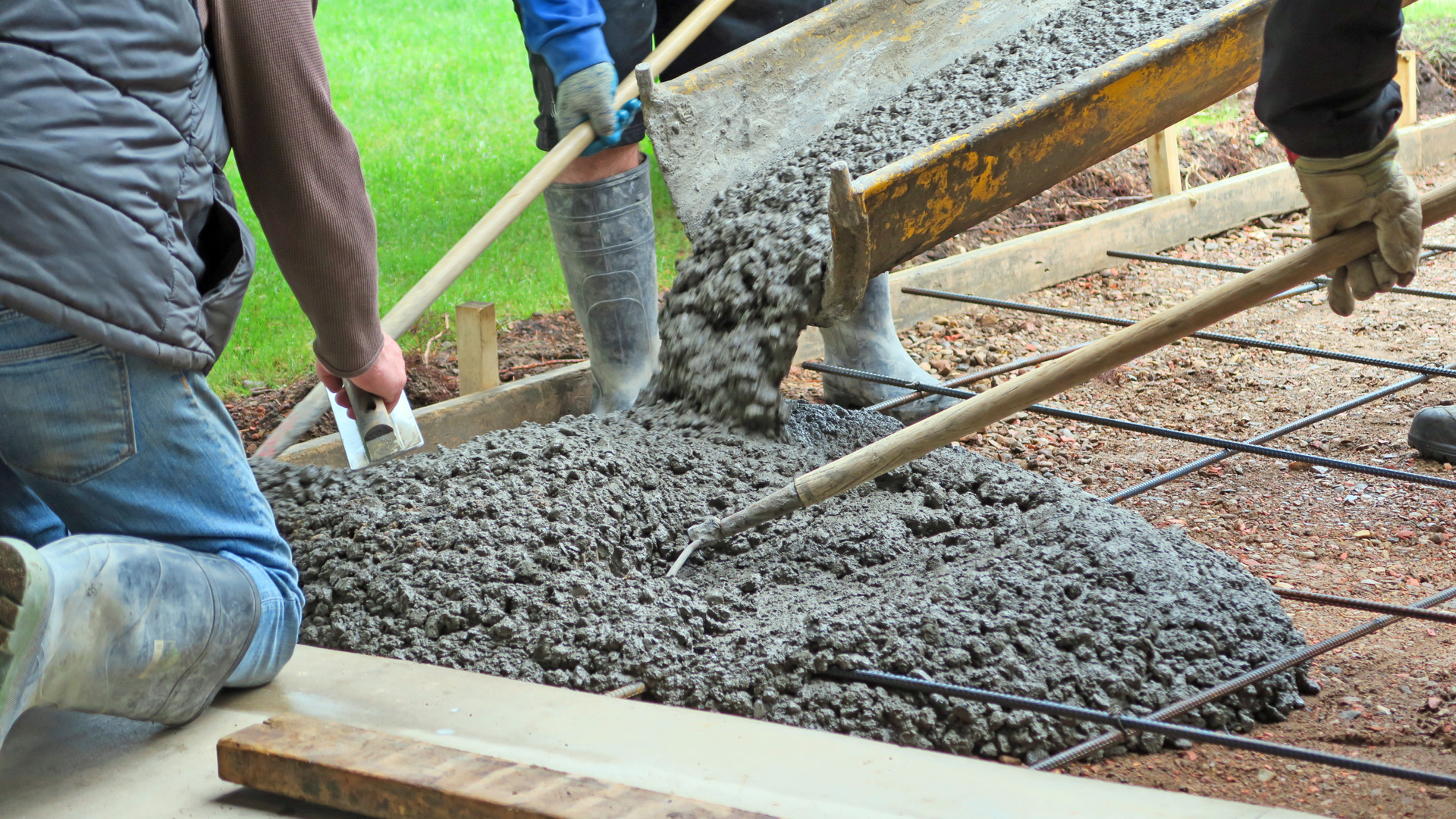
Before installation begins, contractors evaluate soil conditions and prepare the subgrade. This preparation typically includes excavation and the placement of compacted gravel or crushed stone.
A properly prepared base helps:
- Distribute vehicle weight evenly
- Prevent soil movement beneath the slab
- Improve drainage below the driveway
- Reduce cracking caused by settlement
Driveways installed using a proper concrete driveway installation process rely on both slab thickness and base preparation to achieve long-term stability.
Reinforcement and Concrete Strength
Reinforcement helps concrete driveways perform better under stress. While concrete is strong under compression, reinforcement helps control tension and movement.
Common reinforcement methods include:
- Steel rebar
- Welded wire mesh
- Fiber reinforcement mixed into the concrete
Reinforcement does not prevent all cracking. Instead, it helps control the size and spread of cracks so the driveway remains structurally stable.
A reinforced 4-inch slab can often perform better than a thicker slab that lacks reinforcement.
Climate Considerations in Brighton
Concrete driveways in Brighton experience seasonal weather changes that influence long-term performance.
Temperature fluctuations cause concrete to expand and contract. Moisture that enters small surface cracks can freeze during winter, creating pressure that widens those cracks.
Driveways designed with proper thickness, reinforcement, and drainage are better able to withstand these seasonal stresses.
Good curing practices during installation also help the slab develop strength and resist environmental damage.
Cost Considerations When Increasing Thickness
Increasing slab thickness requires additional concrete and labor, which raises the total project cost. However, the difference between thickness levels is often smaller than homeowners expect.
Below is a general comparison.
| Slab Thickness | Relative Cost Increase |
|---|---|
| 4 inches | Base cost |
| 5 inches | ~20–25% increase |
| 6 inches | ~40–50% increase |
For homeowners who expect heavier vehicle use, increasing thickness may provide additional durability and reduce the likelihood of repairs later.
Many homeowners compare thickness options while reviewing our guide on concrete driveway cost in Brighton to better understand how structural upgrades affect total project pricing.
Situations Where Thicker Concrete Is Recommended
While a standard 4-inch slab works well for most residential properties, thicker concrete may be recommended under certain conditions.
Examples include:
- Driveways supporting RVs or large trucks
- Properties with weaker soil conditions
- Driveways with steep slopes
- Areas where vehicles frequently turn or stop
Contractors evaluate these factors during the planning stage to ensure the driveway is designed for the specific conditions of the property.
Installation Issues Related to Thickness
Many driveway problems develop because of installation shortcuts rather than natural aging.
Common issues include:
Thin Slabs
Concrete poured thinner than recommended can crack under normal vehicle loads.
Uneven Thickness
If the slab thickness varies across the driveway, weak areas may form where stress concentrates.
Poor Base Preparation
Without a properly compacted base, the concrete may shift or settle unevenly.
Lack of Reinforcement
Without reinforcement, cracks may spread more easily and become more visible.
These issues often appear years after installation when homeowners begin noticing repeated cracking or settling.
Signs an Existing Driveway May Be Too Thin
Older driveways sometimes show signs that the slab thickness does not meet modern standards.
Indicators may include:
- Repeated cracking across the driveway surface
- Sections that settle or shift over time
- Edges breaking down or crumbling
- Visible movement when vehicles drive across the slab
When these issues appear consistently, the underlying cause may be structural rather than cosmetic.
Planning the Right Thickness for Your Driveway
Before installing a driveway, homeowners should discuss several key factors with their contractor.
Important considerations include:
- Vehicle types that will use the driveway
- Long-term parking plans
- Soil stability and drainage conditions
- Reinforcement options
- Base preparation depth
Planning these details in advance helps ensure the driveway is designed for real-world conditions rather than minimum requirements.
Final Thoughts
Concrete driveway thickness plays an important role in durability, structural stability, and long-term performance. While a 4-inch slab is suitable for most residential driveways, heavier vehicles or challenging soil conditions may require additional thickness.
When thickness is combined with proper base preparation, reinforcement, and careful installation, a driveway can perform reliably for decades.
If you are planning a new driveway or evaluating whether your current driveway needs replacement, working with experienced professionals like
ANE Concrete helps ensure the project is designed correctly from the start. Our team installs concrete driveways in Brighton, CO with the proper thickness, reinforcement, and base preparation needed to perform well in Colorado’s climate.