How Long Do Concrete Driveways Last in Brighton CO? (2026 Guide)
When homeowners plan a new concrete driveway, one of the first questions is how long it will last. Concrete has a strong reputation for durability, but lifespan is not guaranteed. Two driveways installed in the same year can age very differently depending on how they were built, how they are used, and how well they are maintained.
This guide explains what homeowners in Brighton can realistically expect from a concrete driveway, what shortens or extends its lifespan, and how to avoid premature repairs or replacement.
Average Lifespan of a Concrete Driveway in Brighton
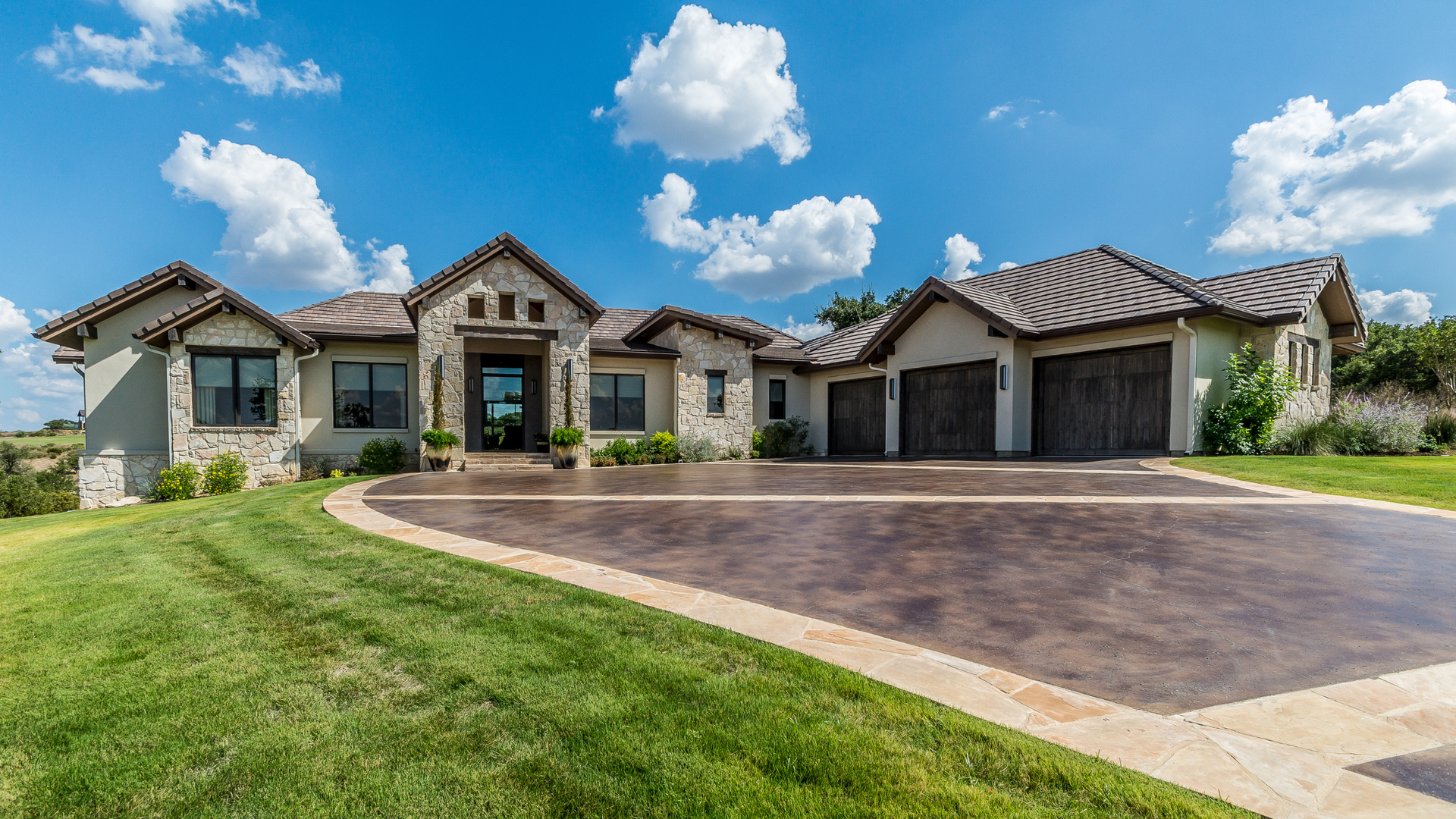
A properly installed concrete driveway in Brighton typically lasts 25 to 40 years. In many cases, well-built and well-maintained driveways last even longer.
Early failure is rarely caused by the concrete itself. Most driveways that deteriorate quickly do so because of:
- Poor base preparation
- Inadequate reinforcement
- Drainage problems
- Installation shortcuts
- Lack of routine maintenance
Longevity is determined far more by workmanship than by age alone.
Why Brighton’s Climate Affects Driveway Lifespan
Brighton’s climate places consistent stress on concrete surfaces. Seasonal temperature swings cause concrete to expand and contract, while snowmelt followed by freezing can accelerate surface damage if moisture penetrates the slab.
Concrete driveways in this area must withstand:
- Freeze–thaw cycles
- Winter de-icing materials
- Snowmelt refreezing overnight
- Occasional heavy vehicle loads
These conditions don’t automatically damage concrete, but they expose weaknesses created during installation.
Installation Quality Is the Biggest Lifespan Factor
The most important factor in driveway longevity is how it was installed. Homeowners researching Concrete Driveways in Brighton CO often find that long-lasting driveways share the same foundational characteristics.
Base Preparation
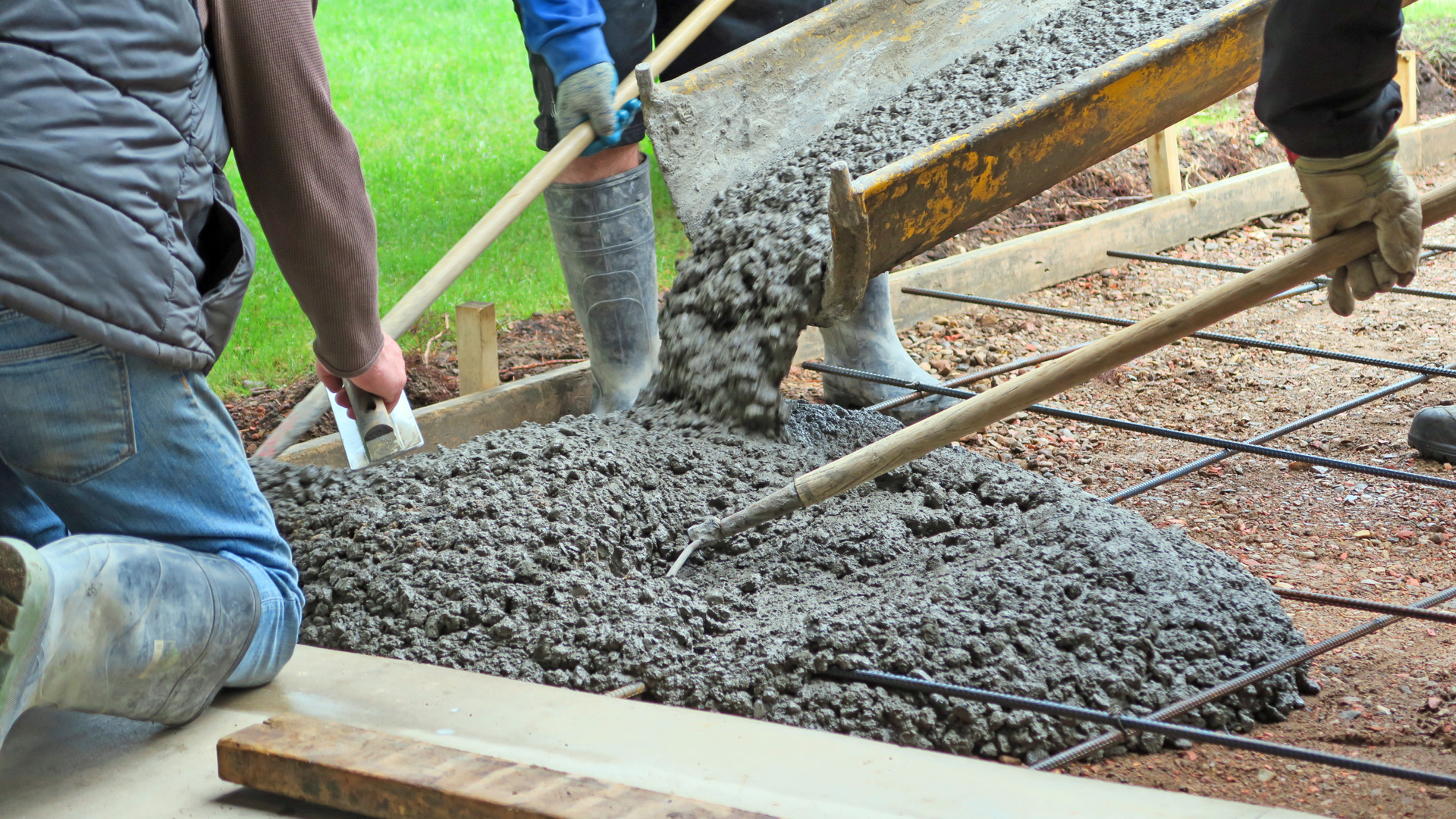
A compacted gravel base supports the slab and limits movement. Without it, the driveway is more likely to settle, crack, or become uneven.
Inadequate base preparation is one of the most common reasons concrete driveways fail early.
Slab Thickness
Most residential driveways are poured at 4 inches. Homes with heavier vehicles or frequent use may need thicker sections. Thin slabs are more prone to cracking under stress.
Reinforcement
Rebar, wire mesh, or fiber reinforcement helps manage cracking caused by movement and temperature changes. Reinforcement does not eliminate cracking, but it keeps cracks controlled and less severe.
Drainage Planning
Water must move away from the driveway and the home. Poor drainage allows moisture to collect beneath or on top of the slab, increasing damage during freeze–thaw cycles.
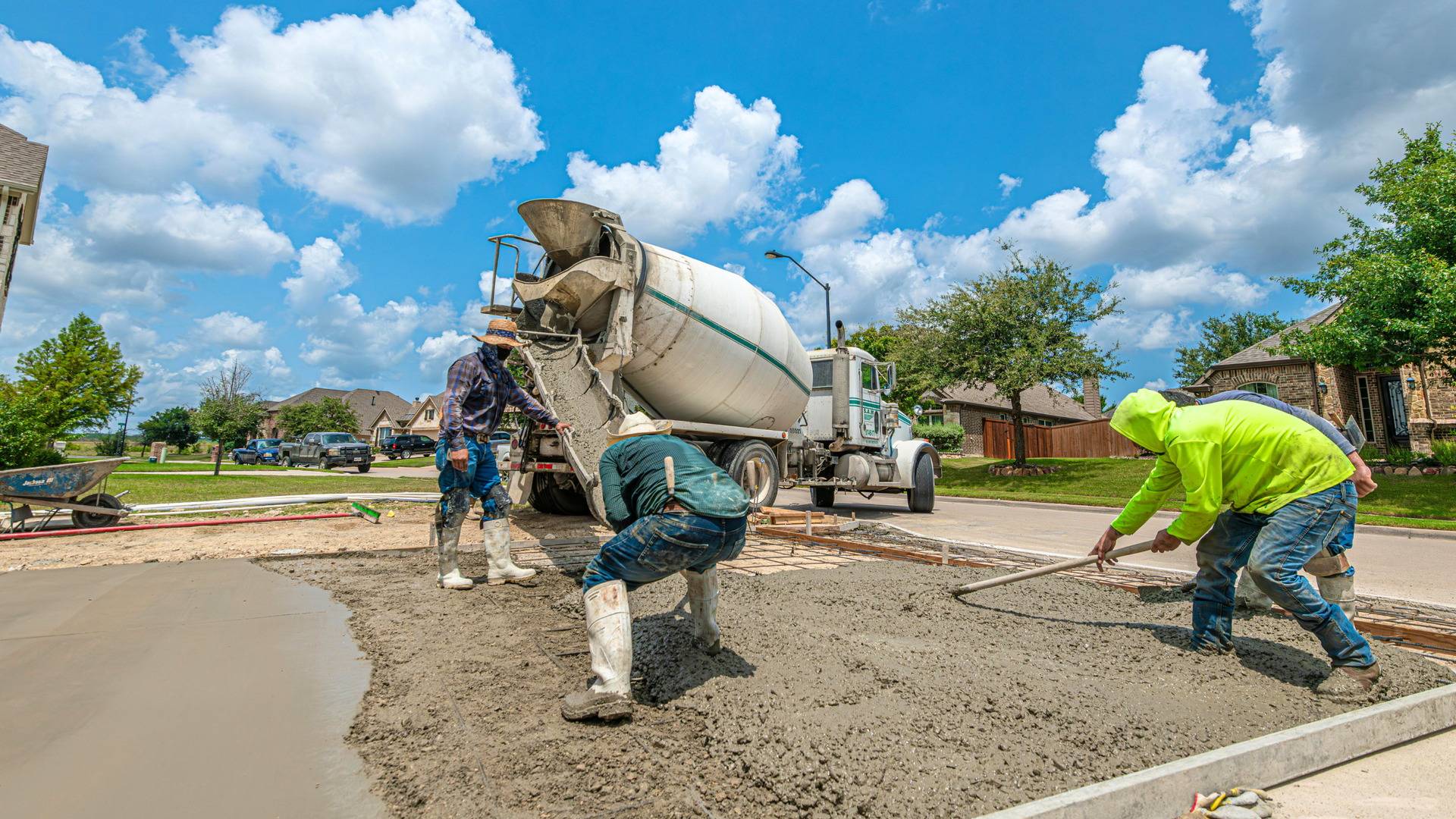
Driveways installed following a proper Concrete Driveway Installation Process Brighton CO consistently outperform those where these steps are rushed or skipped.
How Driveway Use Impacts Longevity
How a driveway is used over time has a direct effect on how long it lasts.
Vehicle Weight
Standard passenger vehicles rarely cause problems. Issues arise when:
- RVs are parked long-term
- Delivery trucks use the driveway frequently
- Heavy equipment is stored on the slab
These loads may require thicker concrete or reinforced areas to avoid cracking.
Traffic Patterns
Repeated stress in the same locations, such as turning wheels near the garage apron, causes wear over time.
Chemical Exposure
Oil leaks, fuel spills, and harsh de-icing products can break down the surface if the driveway is not sealed or cleaned regularly.
Maintenance Has a Major Impact on Lifespan
Concrete is low maintenance, but it is not maintenance-free. Simple upkeep can significantly extend a driveway’s life.
Sealing
Sealing protects against moisture penetration, surface wear, and stains. Most driveways benefit from sealing every 2–3 years.
Winter Care
Avoid harsh chemical de-icers whenever possible. Sand provides traction without damaging the surface.
Cleaning
Periodic cleaning removes debris and prevents staining that can weaken the surface over time.
Crack Monitoring
Hairline cracks are normal. Sealing small cracks early helps prevent moisture intrusion and expansion.
Homeowners often overlook maintenance until visible damage appears, which is why many later start researching Concrete Driveway Cost Brighton sooner than expected.
Common Issues That Shorten Driveway Lifespan
Understanding what causes premature damage helps homeowners avoid it.
Surface Scaling
Scaling occurs when the top layer flakes or chips. Common causes include moisture penetration, de-icing chemicals, and improper concrete mix design.
Excessive Cracking
All concrete cracks, but large or widespread cracks usually indicate:
- Poor base preparation
- Thin slabs
- Little or no reinforcement
- Settling or Heaving
Uneven sections almost always point to soil movement or drainage problems beneath the slab.
Improper Curing
Concrete gains strength gradually. Rushing curing weakens the slab and reduces long-term durability.
What Lifespan Looks Like at Different Quality Levels
| Installation & Maintenance Level | Typical Lifespan |
|---|---|
| Poor installation, minimal base | 10–15 years |
| Average installation, limited maintenance | 20–25 years |
| Proper installation with routine care | 30–40+ years |
Most driveway replacements are driven by installation shortcuts, not by concrete reaching the end of its natural life.
Repair vs Replacement as Driveways Age
As driveways get older, homeowners often wonder whether repairs are still worthwhile.
Minor issues like small cracks or joint wear can often be addressed successfully. Structural problems such as widespread cracking, severe settling, or drainage failures usually indicate deeper issues that repairs cannot solve.
At that point, homeowners often compare ongoing repair costs and determine that replacement provides better long-term value.
How to Maximize the Lifespan of a New Driveway
Homeowners planning a new driveway can protect their investment by:
- Choosing experienced professionals
- Confirming base preparation and reinforcement details
- Avoiding shortcuts during installation
- Following recommended maintenance practices
A driveway built correctly from the start performs more consistently and requires fewer repairs over time.
When a Driveway Has Reached the End of Its Life
A driveway may be nearing the end of its useful lifespan if you notice:
- Multiple large cracks with vertical displacement
- Widespread surface deterioration
- Ongoing drainage problems
- Repairs that no longer hold
In these cases, replacement is often more cost-effective than continued patching.
Final Thoughts
Concrete driveways are one of the most durable residential surfaces available, but longevity depends on installation quality, climate exposure, and maintenance. In Brighton’s environment, attention to base preparation, drainage, and curing plays a major role in long-term performance.
Homeowners who understand what affects driveway lifespan are better positioned to make informed decisions, avoid premature repairs, and get full value from their investment. If you’re planning a new driveway or evaluating an existing one, working with experienced local professionals like ANE Concrete can help ensure your driveway is built and maintained for long-term reliability.