Do You Need a Permit for Concrete Work in Brighton, CO?
Planning a driveway expansion, a back patio, or a new entry walkway? Before you schedule the pour, it is worth knowing whether Brighton wants a permit for it. Get this wrong and you are not just risking a fine. You can be ordered to tear the work out.
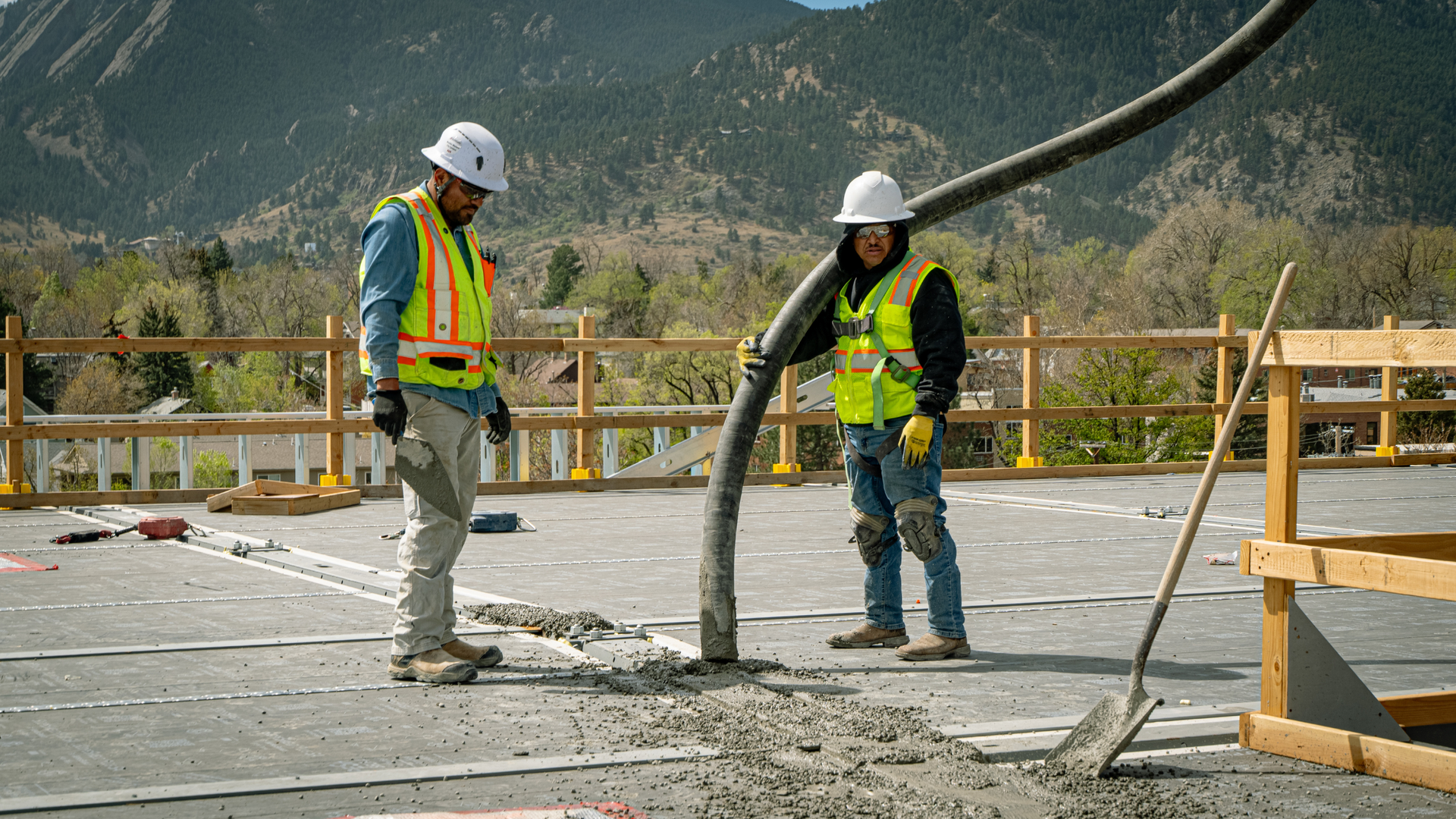
Here is the good news. The answer is usually simpler than people fear, and it comes down to one question that we will get to in a moment. Some concrete jobs in Brighton need a permit. Plenty of them do not. The trick is knowing which side of the line your project falls on, and that line is not about how much concrete you are pouring. It is about where the concrete goes.
The Short Version
If your concrete touches the public right-of-way, Brighton wants a permit. A new driveway approach where it meets the street, a curb cut, a public sidewalk, a drainage facility, any of those means paperwork before anyone breaks ground.
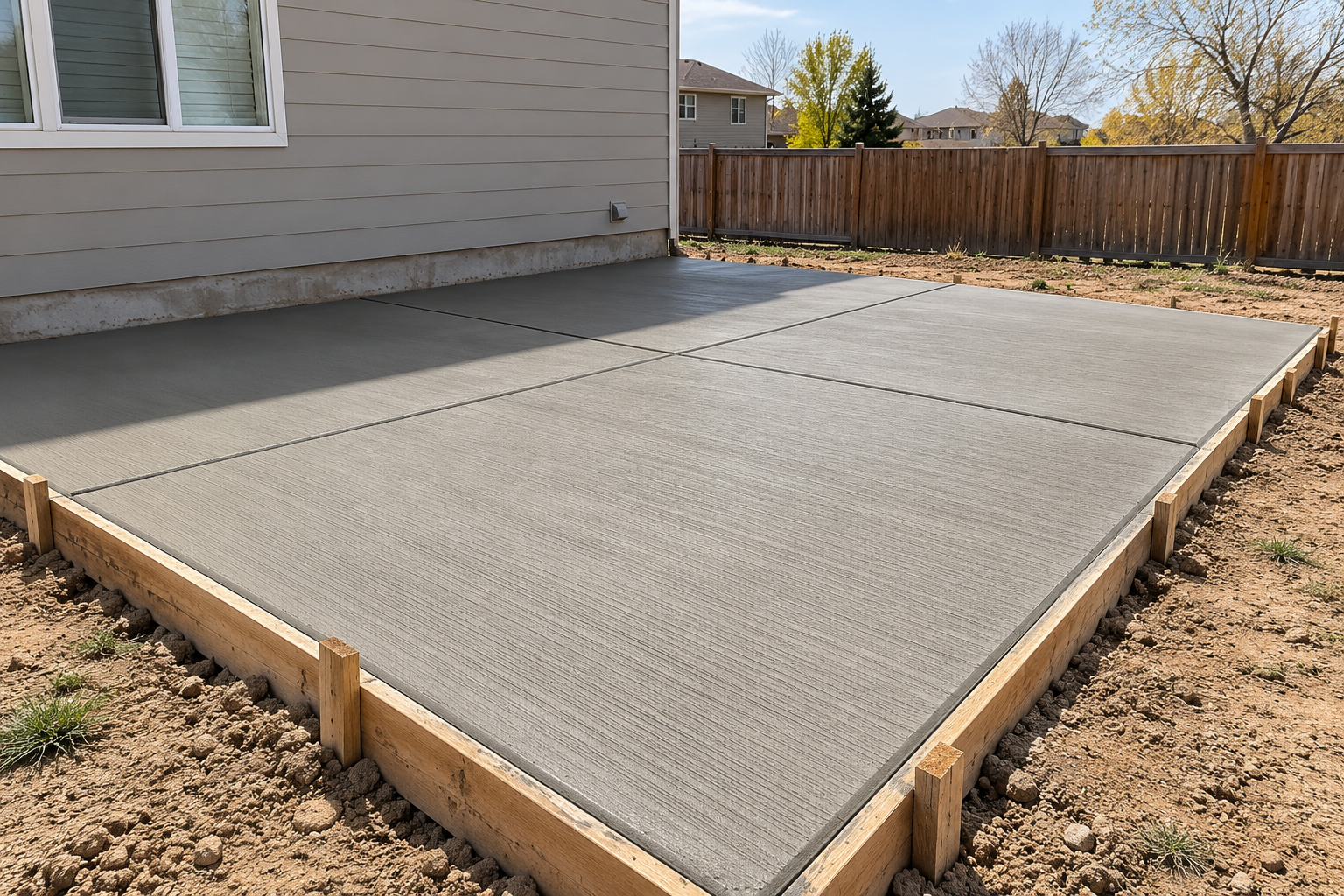
If your concrete stays entirely on your private property and sits flat on the ground, like a backyard patio slab, you usually do not need a building permit. You still have to mind setbacks and drainage, but the formal permit process typically does not apply.
That is the whole thing in two sentences. The rest of this article explains why the line sits there, what the process looks like, and where homeowners trip themselves up.
The One Question That Decides Everything
Ask yourself this: does the work touch the public right-of-way?
The public right-of-way is the strip of land the City controls for streets, sidewalks, curbs, gutters, and the utilities that run under them. It usually extends a few feet past the curb onto what most people assume is their front yard. That assumption catches a lot of homeowners off guard. The grass you mow near the sidewalk may not be yours to pour concrete on without the City signing off.
Anything you build in that zone affects drainage, pedestrian access, and traffic, which is exactly why Brighton regulates it. The moment your project reaches into the right-of-way, you are in permit territory. As long as it stays behind that line, on ground that is unambiguously yours, the rules loosen up considerably.
So before you think about fees or forms, figure out where your concrete lands relative to that boundary. Everything else follows from the answer.
When You Do Need a Permit in Brighton
Let us get specific about the projects that clearly require one.
Anything in the Public Right-of-Way
Brighton Municipal Code is direct on this point. Under Chapter 12, before laying any curb, gutter, sidewalk, driveway, or drainage facility within the City, the contractor or property owner has to file a permit application with the Director of Public Works. That is not a suggestion buried in fine print. It is the governing rule for right-of-way concrete work, and it has been on the books for decades.
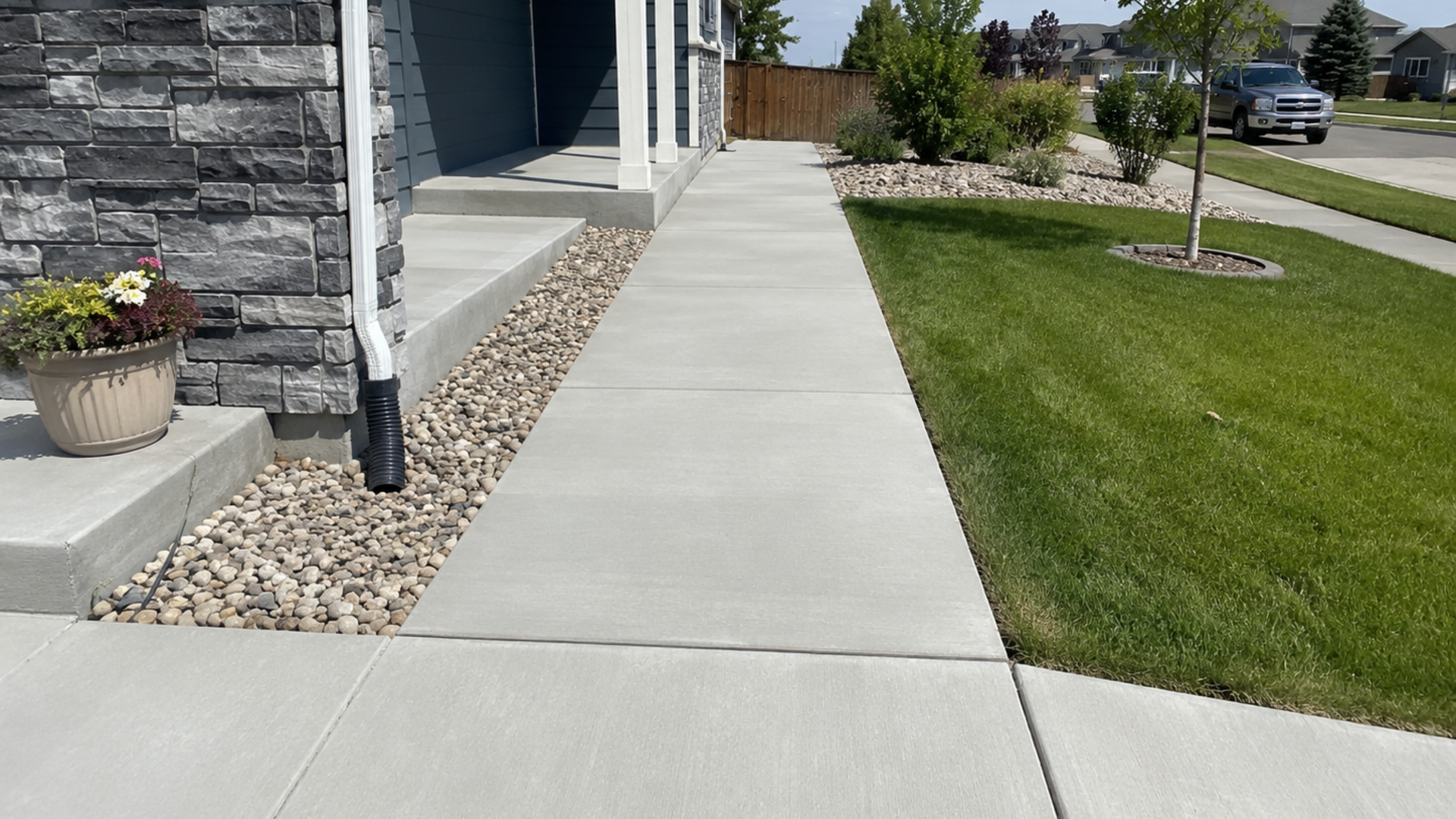
This is the category that covers the projects people most often assume are routine. Replacing the public sidewalk panel in front of your house sounds like simple maintenance, but that sidewalk sits in the right-of-way, so it falls under the permit rule.
New Driveway Access and Curb Cuts
Cutting a new driveway into the street is one of the most heavily regulated things a homeowner can do to their frontage. It changes where vehicles cross the sidewalk, how water flows along the gutter, and how far your access sits from the neighbor's. Brighton requires a separate curb cut permit before any curb is cut or a section removed, and the City sets spacing standards between driveway ramps.
If you are widening an existing driveway all the way out to the street, or adding a second access point, assume the right-of-way rules apply and plan for the permit. This ties directly into the work we cover in our guide to the
concrete driveway installation process, where the approach and the curb line are part of the job.
The Certificate of Grade
Here is the piece homeowners almost never see coming. Brighton does not just want a permit application for right-of-way work. It wants a certificate of grade, certified by a licensed land surveyor or a licensed engineer, filed with that application.
In plain terms, a professional has to verify the lines and grades so the finished concrete drains the way the City intends and ties cleanly into existing infrastructure. It is not something you eyeball. This requirement alone is a big reason right-of-way concrete is a job for an established contractor who already coordinates surveyors as a matter of routine, rather than a weekend project.
When a Permit Usually Is Not Required
If you are pouring a slab that sits flat on the ground, stays on your private property, has no roof over it, and is not part of a structure, Brighton generally does not require a building permit for it. A backyard patio is the classic example. Under the International Residential Code that Colorado cities build from, at-grade flatwork that rises no more than 30 inches above the ground and carries no structural load falls below the permit threshold.
So the patio where you want to put a grill and a table? Usually fine to pour without a building permit. A simple slab for a shed foundation, a short garden walkway that never touches the public sidewalk, an equipment pad beside the house? Same general story. These are the concrete patios and private walkway projects that make up a big share of residential work, and they tend to move quickly precisely because they sidestep the right-of-way process.
But, and this matters, no building permit does not mean no rules. It just means a different set of rules.
Setbacks, Drainage, and the Rules That Still Apply
This is where the do I need a permit question gets a little slippery, because you can be exempt from a building permit and still run into zoning requirements.
Setbacks are the big one. Your property has minimum distances that improvements have to keep from the property lines, and those distances depend on your zone district. Lot coverage limits cap how much of your lot can be covered by impervious surfaces, and a large concrete pour counts toward that total. Drainage rules exist so your new slab does not send water pooling against your foundation or running onto your neighbor's lot.
Then there are easements. Even on your own property, there are often utility or drainage easements, frequently running along the lot lines, where you are not supposed to place permanent improvements at all. Pour a slab over a drainage easement and you can be told to remove it, permit or no permit.
None of this is meant to scare you off a patio. The point is that where you place the concrete deserves a few minutes of thought even when the project is permit-exempt. A good contractor checks these things before the forms go down, not after.
What Happens If You Skip the Permit
People sometimes gamble that a small job will slip under the radar. In Brighton, that gamble carries a specific and unpleasant downside.
For right-of-way work, the City inspector has the authority to require the removal of any curb, gutter, sidewalk, driveway, or drainage facility that does not conform to the requirements of the code. Read that again. Not a fine you pay and move on from. Removal. Concrete that was poured without the proper permit or without meeting the certified grade can be ordered torn out, and you are the one paying to demolish it and do it again correctly.
Add potential fines and the delay of stopping a project mid-stream, and the math is not close. Permitting the job properly the first time is almost always cheaper than explaining to the City why you did not.
Who Pulls the Permit, You or the Contractor?
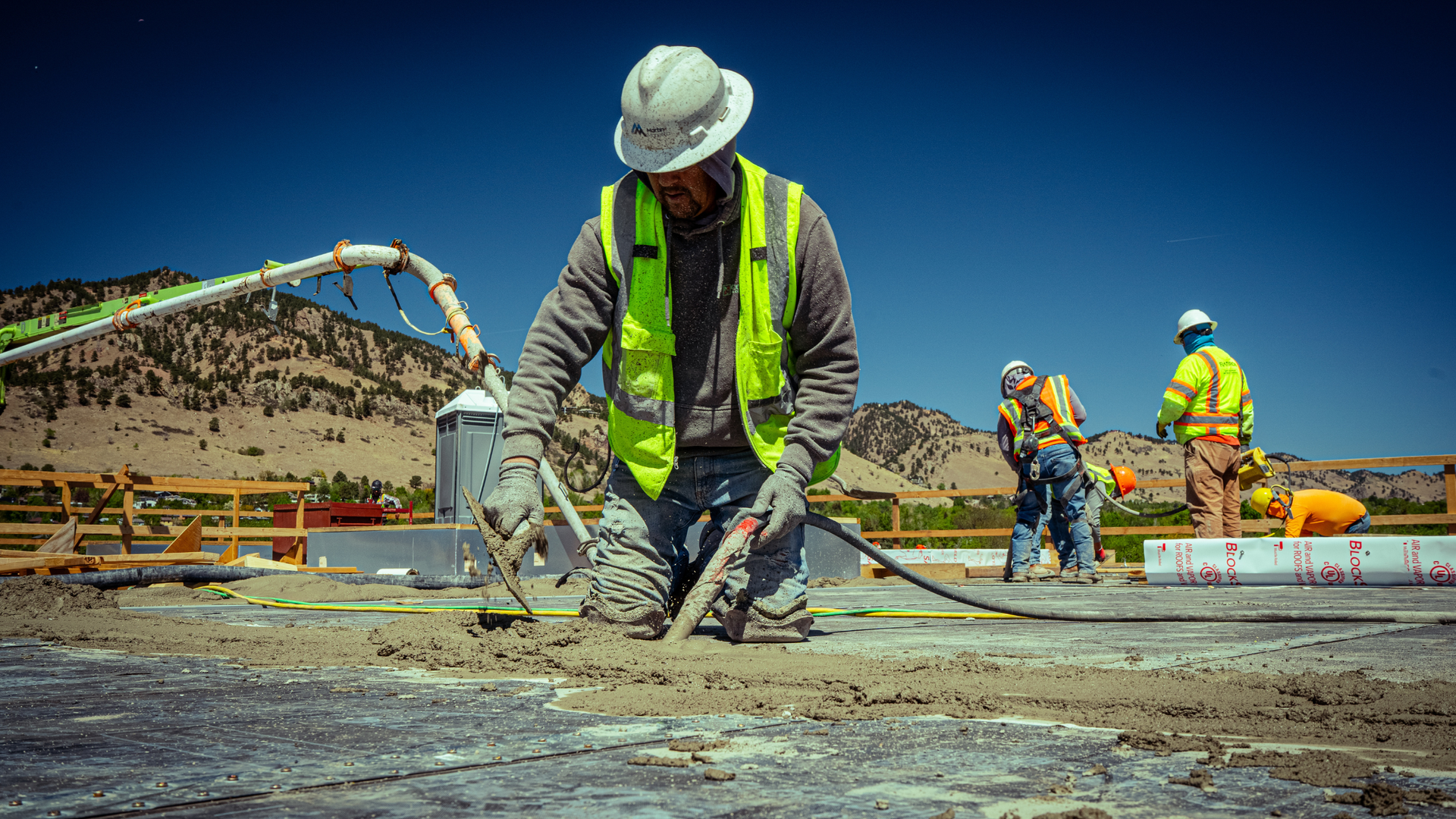
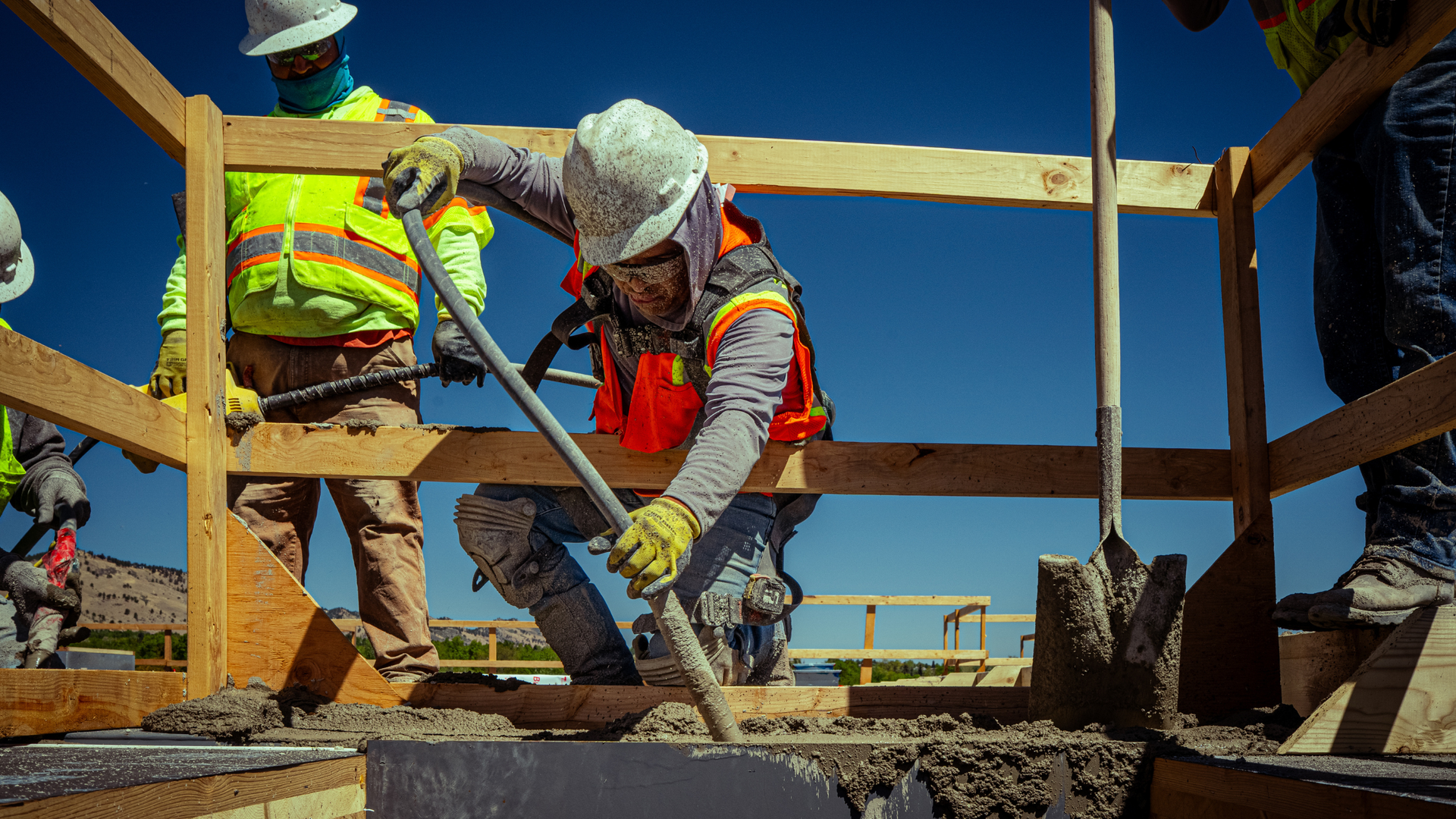
For right-of-way work, this usually lands on the contractor, and that is a good thing. An established local contractor pulls these permits regularly, knows the Public Works counter, and already has the relationships to get a certificate of grade turned around without drama.
That said, never assume. Before work starts, get it in writing who is responsible for the permit and the grade certificate. A reputable contractor will have no problem putting that in the scope. If someone dodges the question or suggests skipping the permit to save time, treat that as the red flag it is. Cutting that corner does not protect you. It exposes you, because you own the property the City will come back to.
A Quick Word on Adams County and HOAs
Two wrinkles worth mentioning.
Brighton sits mostly in Adams County, and if your property is just outside the city limits in unincorporated county land, the jurisdiction and the rules can differ. This article is about work inside the City of Brighton. If you are not certain your address is inside city limits, that is the first thing to confirm, because it changes who you are dealing with.
And regardless of what the City requires, your HOA may have its own approval process. HOA rules are separate from municipal permits. Clearing one does not clear the other, so if you are in a covenant-controlled community, budget time for both.
How the Process Actually Goes
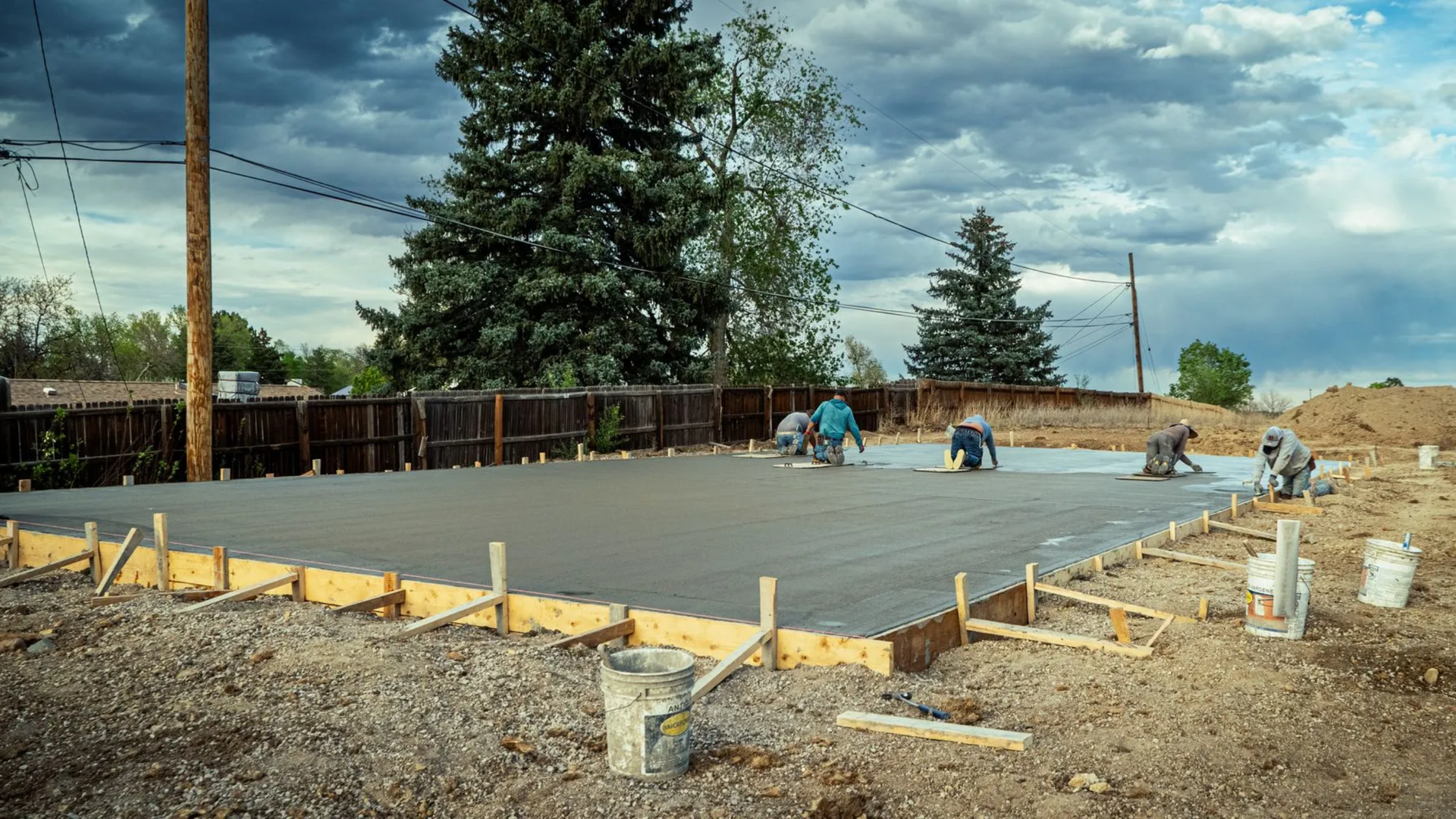
When a permit is required, the path is not complicated with the right help. You or your contractor file the application with Public Works, provide the certificate of grade for right-of-way work, and wait for the City to review and issue. Inspections happen at the points the City specifies, often before the pour and after completion, to confirm the work meets standards. Once it passes, you are done and your concrete is legitimate, on the record, and not at risk of a removal order down the line.
Timelines vary with the season and the City's workload, which is one more reason to start early, the same way we recommend for scheduling around weather in our guide to the best time of year to pour concrete. Permitting and pouring both reward planning ahead.
Frequently Asked Questions
Do you need a permit for concrete work in Brighton, CO?
It depends on where the concrete goes. Work that touches the public right-of-way, such as a new driveway approach, a curb cut, a sidewalk, or a drainage facility, requires a permit from the City of Brighton before any concrete is placed. A ground-level slab entirely on your private property, like a backyard patio, usually does not need a building permit, though setback and drainage rules still apply.
Do I need a permit to pour a backyard patio in Brighton?
In most cases, no. An uncovered, ground-level concrete patio that sits no more than 30 inches above grade and has no roof or structural elements generally falls below the building permit threshold under the International Residential Code. You still have to respect zoning setbacks, lot coverage limits, and drainage, so it is worth a quick check before you pour.
Do I need a permit to replace my existing driveway in Brighton?
Replacing a driveway in the same footprint on private property is often treated differently than cutting a new access point. The moment the work touches the curb line or the public right-of-way, a permit and a certificate of grade come into play. Because the line between a simple replacement and right-of-way work is easy to cross, confirm with the City or your contractor first.
What is a certificate of grade and do I need one?
Brighton Municipal Code requires a certificate of grade, certified by a licensed land surveyor or engineer, to be filed with the permit application for curb, gutter, sidewalk, driveway, or drainage work. It confirms the work will meet the correct lines and grades so water drains the way the City intends. Your contractor typically coordinates this.
What happens if I do concrete work without a permit in Brighton?
The City inspector has the authority to require removal of any curb, gutter, sidewalk, driveway, or drainage facility that does not conform to code. That means work done without the proper permit or grade can be ordered torn out at the owner's expense, on top of any fines. It is far cheaper to permit the job correctly the first time.
Who is responsible for pulling the concrete permit?
A licensed contractor usually pulls the right-of-way permit and coordinates the certificate of grade as part of the job. That is one of the practical reasons to hire an established local contractor rather than manage a right-of-way permit yourself. Always confirm in writing who is handling the permit before work starts.
Talk to a Local Contractor Before You Dig
Most homeowners do not need to become experts in municipal code. They need one honest answer about their specific project, and that is usually a five-minute conversation. Does your concrete touch the right-of-way or not? From there the path is clear.
As a licensed Brighton concrete contractor working across the city every week, ANE Concrete handles this constantly. We install concrete driveways, sidewalks and walkways, patios, and slabs, and we know when a job needs a City permit and a certificate of grade versus when it can move straight to scheduling. When a permit is required, we coordinate it. When it is not, we tell you that too.
If you are weighing a concrete project in Brighton and want to know exactly where it stands before you commit, request a free estimate. We will walk your site, tell you straight whether the City needs to be involved, and give you a clear path from paperwork to finished concrete.